
Project
Isando Cell
Isando flash dryer setups planned around garment print flow, platen access, power position, and workable operator space.
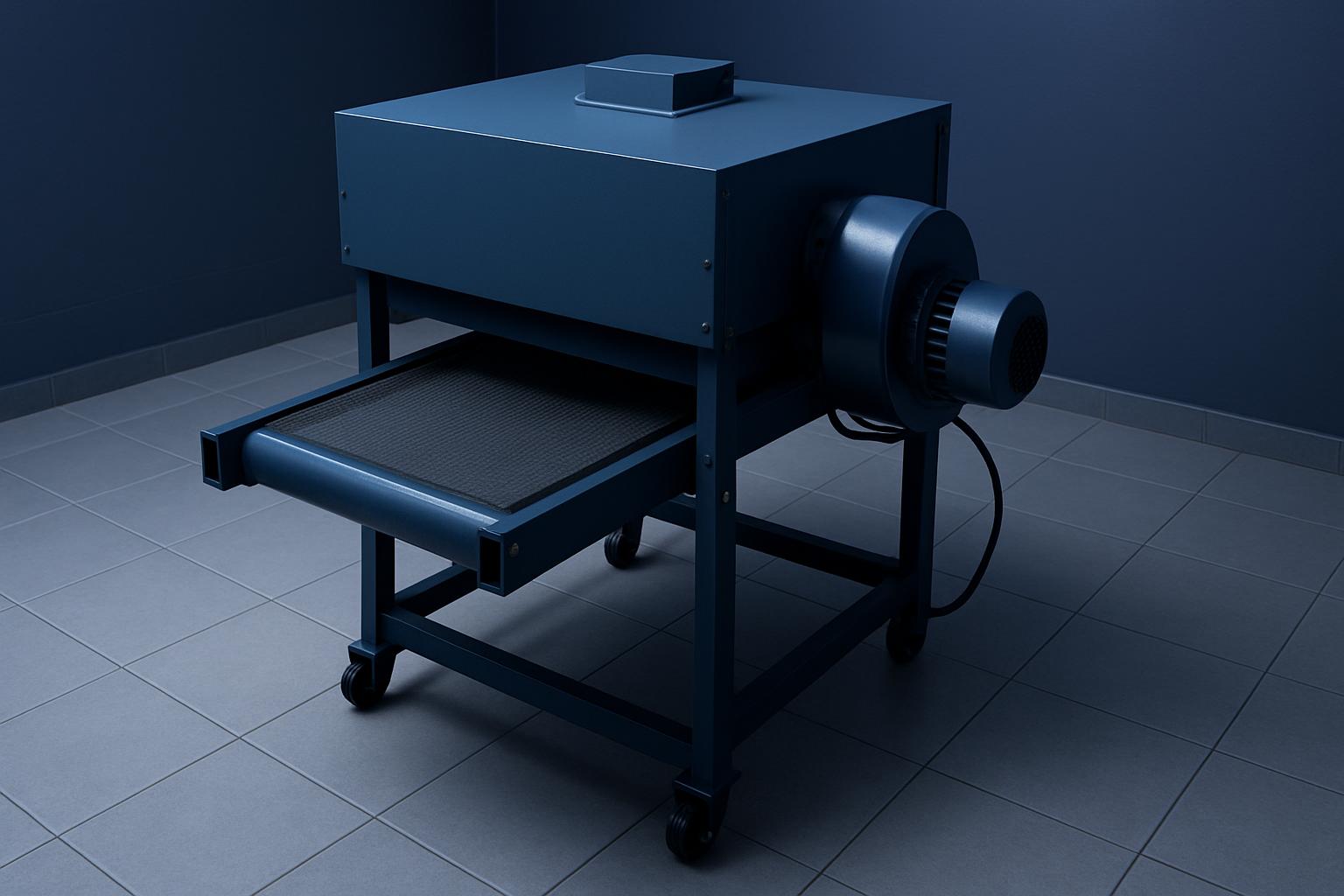
How Isando Cell works across a print week
The Isando Cell page covers flash dryer layouts for garment printing floors. We plan around print flow, platen access, power position and enough working space for the operator at the press.
For the Isando Cell, start with the garment type on press, the number of heads in use, and where the flash sits between stations. Isando sites often need extra attention on power take-off position, cable runs, and aisle width around the operator side. Dust from nearby industrial traffic and weekly outage planning can change reflector cleaning, warm-up routine, and the choice between ceramic IR and quartz banks.
Include one wide photo of the press and flash position before any changes are proposed for Isando Cell. A short line note with platen order, test print result, and heater height gives the next shift a usable reference. That record also helps when a spare lamp, shield, or control part must match the unit on site.
Isando press-side layout points
The Isando Cell file needs a marked layout, operating notes, and the right unit named against the press. Space at the platen edge matters as much as heater output when operators need quick access during repeat runs. Clear placement beats adding extra hardware that blocks movement around the station.
Add the matching line notes and a cure log entry before you widen the scope. Confirm the line details once again before any unit or spare is issued. Use the contact form to reference the Isando Cell job and the press it runs on.
- Flash position matched to platen access
- First test print logged with heater height
- Contact note tied to the Isando cell
Isando site conditions to note
Isando jobs are rarely planned in an empty production area, so access around existing presses, tables, and packing points needs to be measured first. Near OR Tambo and the East Rand freight belt, dispatch pressure can affect when a line can be stopped for checks or repositioning. If the print team runs day and night shifts, note exactly when the first cure test and maintenance wipe-down happen.
Inland dust settles quickly on reflectors, guards, and sensor points, especially where roller doors stay open through the shift. Power interruptions mean the first print after restart should be checked again for dwell and surface temperature. On ceramic and quartz units alike, lamp condition and stand stability should be looked at before widening the print schedule.
Operated by Astros Marketing (Pty) Ltd from 2 Makro Place, Sunnyrock 1401.
Records to attach for Isando Cell
Outline the Isando Cell layout with site photos, shift timing, and what has already packed up on the flash dryer or print station. Keep the subject line straightforward.
Include the matching line notes and one cure log entry so the unit history stays tied to this project page. Recheck the line details before any dryer, bank, or spare is listed for issue.
What our Flash Dryer customers say
Verified Google reviews