
Dryers
Label Web
Label Web focuses on narrow web print lines where the heated area must match the image width without scorching the liner or edge zones. It suits label work, short repeat packaging runs, and stations where operator access around the press stays limited.
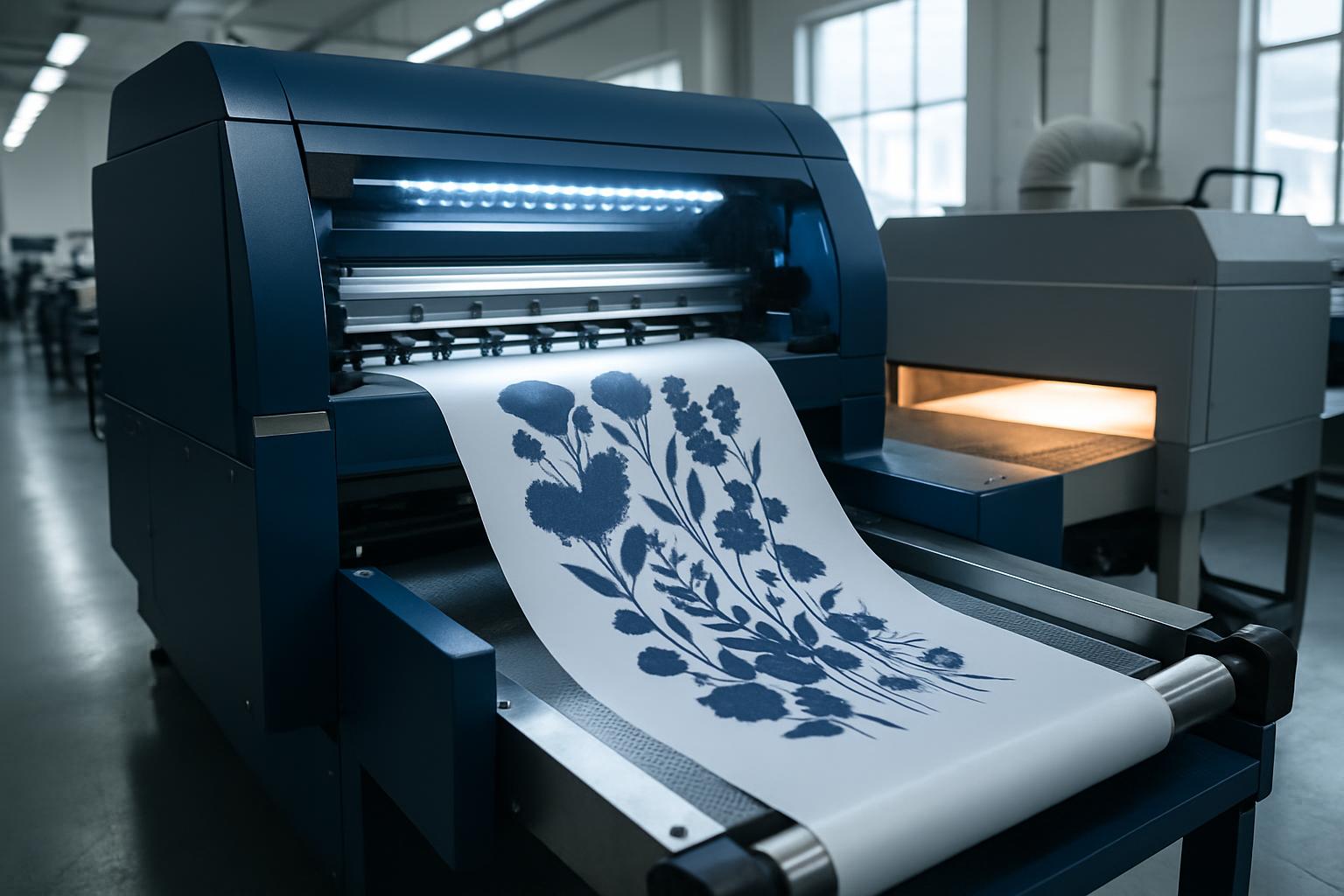
Heat control on narrow webs
Label Web covers flash drying for narrow web and label print work where heat has to stay even across the print area. Compare Flush Dryers options for South African label lines, especially where floor space and access around the press are tight.
Begin with the stock, adhesive system, and printed width before choosing a flash cell, ceramic IR, or quartz bank. On Gauteng lines, dust can build up on reflectors and guards, while Durban humidity can change how quickly inks firm up between colours. Small press footprints also matter, especially where unwind, die-cut, and inspection units leave very little working room beside the web path.
Take a clear photo of the print head and dryer position before any change is made. Add the web width, line speed, and the current cure reading to the note kept at the press. That record helps the next shift return to the same setup without re-testing from scratch.
What the line record should show
Your team needs the exact Label Web reference, the heater arrangement, and the checks needed before a unit or spare moves. For label production, a short written setup note is often more useful than a broad comparison because the press station, substrate, and access points decide what will fit.
Link the Label Web to the correct line notes and record it in the cure log before you expand the line. Check the line information once more before any unit or spare is dispatched. Dryer sizing depends on belt width, ink type and the pieces you run per hour, so list those in your message.
- Printed width and web direction noted
- Cure reading logged at first sample
- Current heater type and spare need
Checks for South African label rooms
Label lines in Johannesburg, Durban, and Cape Town often run in mixed spaces where rewinds, inspection tables, and packing benches compete for access. Record the available clearance around the station, the incoming power supply, and any guarding that limits where the dryer can sit. If the line expands later, update the cure log before another unit is added to the same press.
Coastal sites may need more frequent cleaning of covers and reflector surfaces because residue and moisture change heat consistency. Inland sites usually watch dust build-up more closely, especially near sensors and fan intakes. After load-shedding or a planned stop, check the first restarted sample rather than assuming the earlier setting still holds.
Operated by Astros Marketing (Pty) Ltd from 2 Makro Place, Sunnyrock 1401.
Label width and heater details
Send photos of the present print station, the stock being run, and the available mounting space around the web. Include line speed, repeat length, and whether the job is pressure-sensitive label stock, film, or another packaging substrate.
Mention any curing fault that has shown up, such as tack, edge overheating, or uneven response across the print width. Attach the Label Web reference when using the contact form so the enquiry is tied to the correct application.
What our Flash Dryer customers say
Verified Google reviews