
Cure log
Night Shift
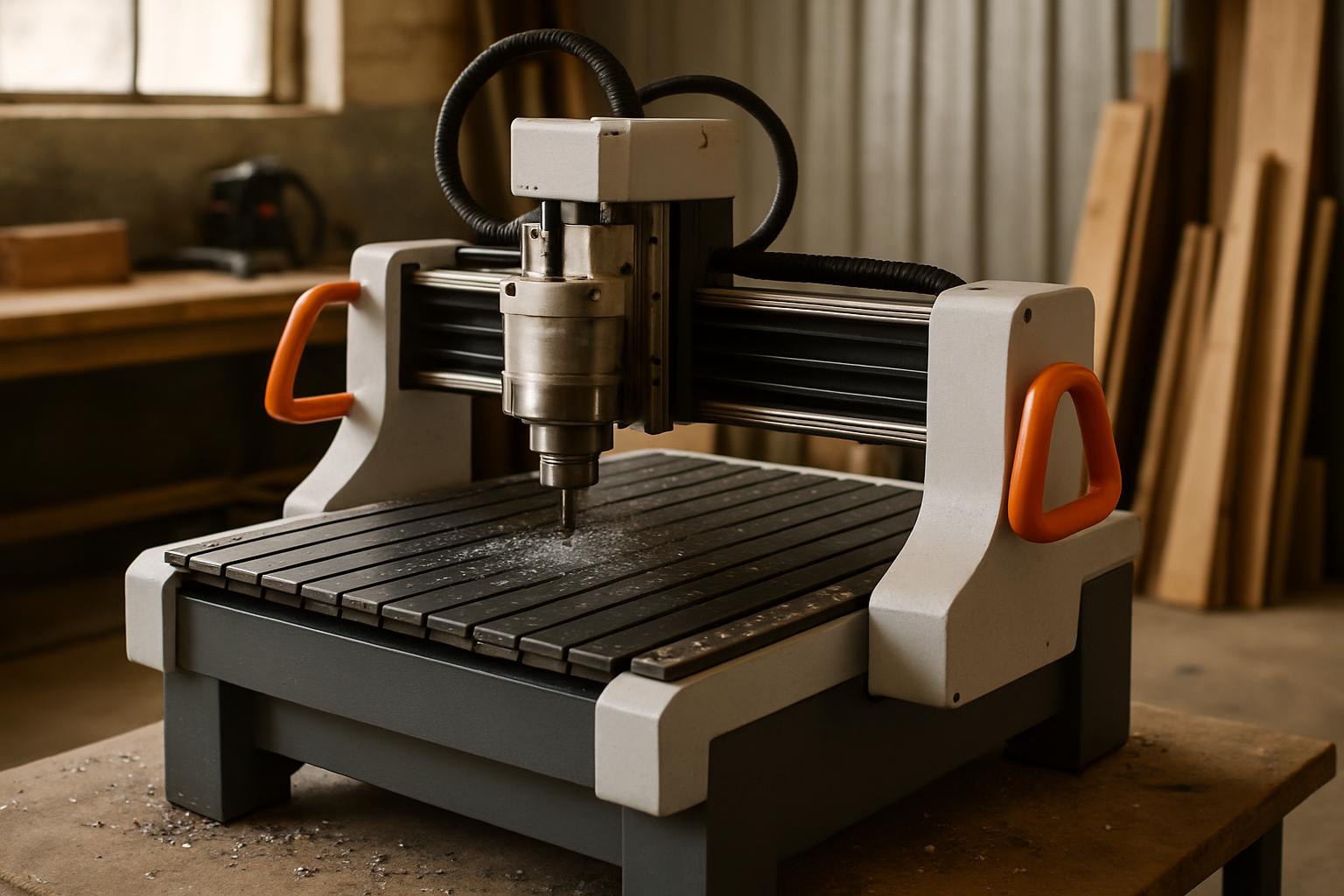
A practical note on night shift printing for teams managing cure consistency after hours.
Night work changes how a curing station is watched: fewer staff on the floor, cooler ambient conditions, and faults that get missed between batches. Night Shift focuses on keeping flash dryers and operators in step after hours on local print lines.
Night crews need plain records that can be checked at 02:00 without guesswork. The focus stays on flash units, cure checks, and operator handover notes that suit Gauteng winter nights, Durban humidity, and long garment runs. If you want to match this to your own setup, use the contact form and mention night-shift.
Checks before the evening run
- Ambient temperature logged at start
- Photo of first cured print kept with shift notes
- Dryer type noted, ceramic IR or quartz bank
- Operator, supervisor, and site written clearly
Read this note alongside the equipment pages used on your line. The journal explains the watch points after hours, while the catalogue shows the heater styles, layouts, and spare parts tied to cure behaviour. That split helps a night team record the job properly instead of relying on memory at handover.
How Night Shift supports after-hours printing
Night Shift focuses on keeping cure results steady after normal daytime support has gone home. The article deals with the small checks that help an evening crew hold the line on output and consistency.
Start with the substrate, ink system, and shift handover gap. A fleece run after sundown does not behave like thin cotton at midday, and a packaging line with short pauses can catch heat very differently from a garment carousel. Johannesburg cold, Durban moisture, and planned power interruptions all change how closely the first few prints need to be watched.
Keep a first-off sample from the night batch near the press record. Add platen speed, flash height, and any dwell change made after the day crew left. That gives the morning team a fixed reference instead of a verbal summary that loses detail.
What the night team records
The aim is a usable shift log, not a long report. Record what changed on the dryer, what happened to cure feel or appearance, and which print count the change started on. One accurate note about a quartz bank setting is worth more than vague comments after the run has finished.
Use Night Shift with a cure record and the relevant equipment page before changing heater layout or output targets. Dryer sizing depends on belt width, ink type and the pieces you run per hour, so list those in your message.
After-hours conditions on SA lines
A night run in Ekurhuleni, Durban, or Cape Town rarely holds the same conditions as the day shift. Staff numbers drop, supervisors may cover more than one line, and small cure drift can pass unnoticed until stacking or packing starts. Separate the urgent production fault from the planned equipment change so both records stay useful.
Coastal moisture can change how quickly prints feel ready between stations. Inland dust means reflectors, shields, and sensor points may need another wipe before the shift settles. If power has been unstable, check the first accepted print again after restart rather than assuming the earlier setting held.
Operated by Astros Marketing (Pty) Ltd from 2 Makro Place, Sunnyrock 1401.
Night Shift handover points
A practical note on night shift printing for teams managing cure consistency after hours.
Write the note so the next operator can act on it before the press starts moving. Include the garment or pack type, the last accepted dryer setting, and any cure concern seen near the end of the shift. Attach it to the job file or product note so the next shift can pick up the run with the right context.